Natzi or Nazi: Meaning, History, Differences, and Common Confusion Explained Simply
The terms natzi or nazi often confuse many people, especially online. You may see both spellings used in comments, blogs, or social media posts. While they look similar, only one spelling is historically and linguistically correct. Understanding this difference is important because the word refers to a very serious and harmful ideology from history. This article explains natzi or nazi in a simple, clear, and respectful way.
I have noticed many readers, including students, asking whether natzi is a different group or just another word for nazi. The confusion usually comes from spelling mistakes, language differences, or lack of historical knowledge. Learning the correct meaning helps us speak accurately and responsibly.
This guide will walk you through the origin of the word, its correct usage, historical background, and why accuracy matters today. Everything is explained in plain language so even young readers can understand. The goal is education, clarity, and awareness—not promotion or support of harmful ideas.
What Does Nazi Mean?
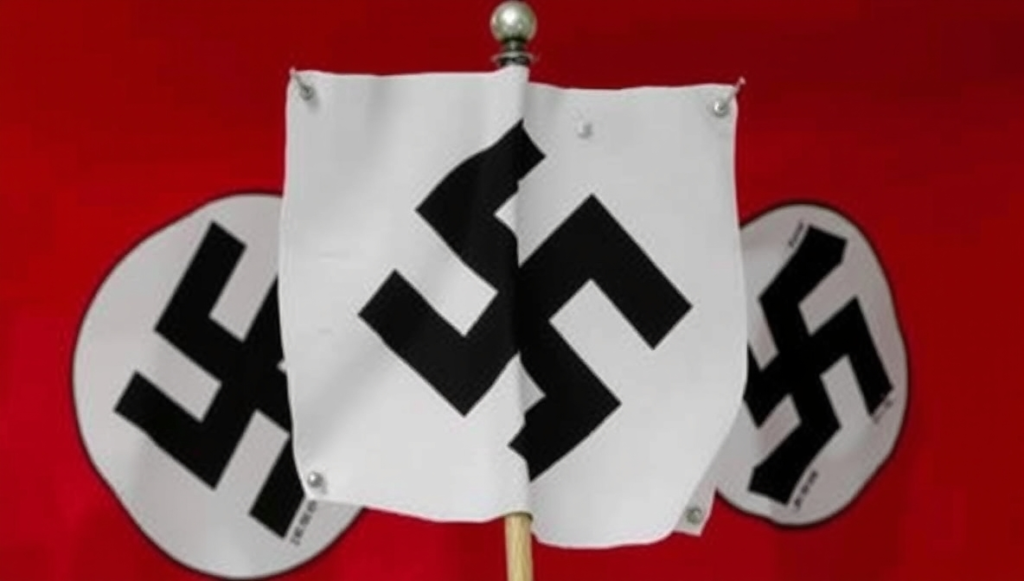
The word nazi is short for National Socialist, referring to members of the National Socialist German Workers’ Party. This political party ruled Germany from 1933 to 1945. The Nazi party followed an extremist ideology based on racism, violence, and control. It caused massive harm, including World War II and the Holocaust.
When people use the word nazi, they usually mean either a member of that historical party or someone who supports similar hateful beliefs today. The term carries a very negative meaning because of the suffering linked to it. That is why accuracy matters when using it.
The word nazi is always spelled with an “a,” not a “t.” It comes from German language roots. Any other spelling is incorrect. Understanding what nazi truly means helps prevent misuse and misinformation, especially online where words spread fast and mistakes multiply easily.
Is Natzi a Real Word or Just a Misspelling?
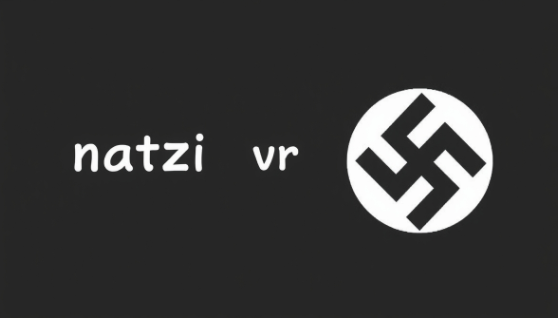
The word natzi is not a real historical or political term. It is simply a misspelling of nazi. Many people accidentally type natzi because of pronunciation, fast typing, or lack of knowledge. Search engines often show both spellings because users commonly make this mistake.
There has never been a group, movement, or ideology officially called natzi. When you see someone use natzi, they almost always mean nazi. This confusion is common among young learners and non-native English speakers.
Correct spelling is important because the topic is serious. Using natzi instead of nazi can make content look unreliable or poorly researched. When discussing history or education, accuracy builds trust. So, remember clearly: natzi or nazi are not equal. Only nazi is correct.
Why Do People Confuse Natzi or Nazi So Often?
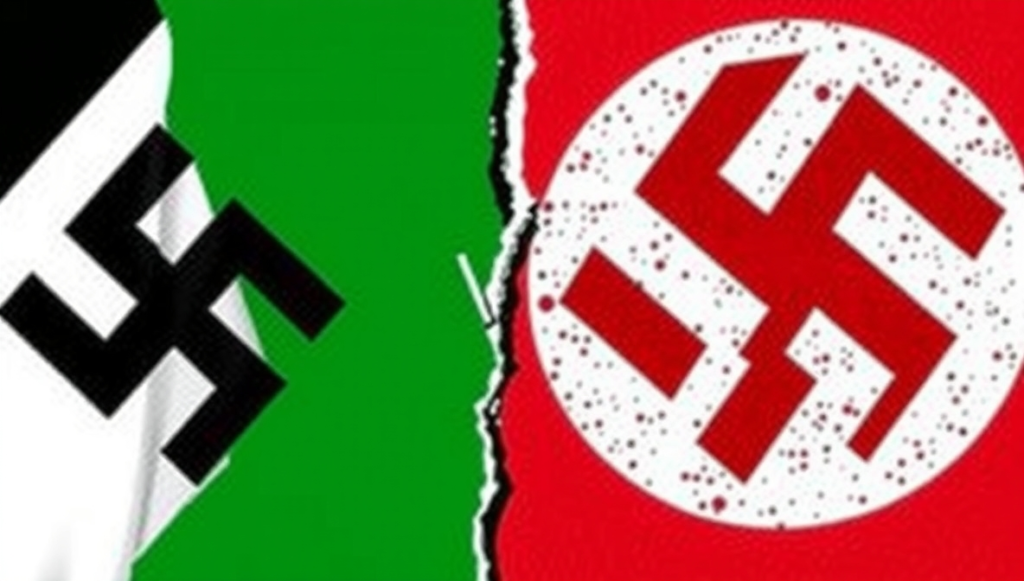
The confusion between natzi or nazi happens for several reasons. First, both words sound almost the same when spoken. Second, many people learn the word by hearing it, not reading it. That makes spelling mistakes more likely.
Another reason is the internet. Social media posts, comments, and memes often contain spelling errors. When people see natzi repeatedly, they assume it is correct. Over time, wrong spellings spread faster than corrections.
Language barriers also play a role. In some languages, adding a “t” sound feels natural. As an SEO expert, I often see natzi typed in search bars, even though users actually want information about nazi history. This is why educational content must clearly explain the difference and guide readers kindly, not harshly.
Historical Background of the Nazi Movement
The nazi movement began in Germany after World War I. Many Germans were struggling with poverty and anger. The Nazi Party used fear and false promises to gain support. Adolf Hitler became its leader and later Germany’s ruler.
Under Nazi rule, millions of innocent people were harmed or killed. The Holocaust targeted Jewish people and other groups through systematic violence. World War II caused destruction across many countries. These events make the word nazi one of the most serious terms in modern history.
Understanding this background helps explain why casual or incorrect use of the term is harmful. Whether someone types natzi or nazi, the topic deserves respect and accuracy. Learning history honestly helps prevent repeating past mistakes.
Why Correct Spelling Matters in Education and Media
Using correct spelling like nazi instead of natzi is more than grammar. It shows responsibility. When content is accurate, readers trust it more. Teachers, students, and researchers rely on clear language.
Inaccurate spelling can weaken serious discussions. Imagine learning history from a textbook filled with errors. That confusion spreads misunderstanding. The natzi or nazi confusion might seem small, but it affects credibility.
As someone who works with content daily, I’ve learned that small details shape big trust. Using correct terms honors the seriousness of history and respects those affected by it. Accuracy is part of ethical communication.
How Search Engines Interpret Natzi or Nazi
Search engines understand that natzi is a common misspelling of nazi. That’s why you may still see results when searching natzi or nazi. However, professional content should always use the correct form.
SEO tools often track misspellings because users type them frequently. Smart writers explain the mistake clearly while guiding readers to the right term. This improves user experience and trust.
Using both terms carefully, without stuffing, helps readers learn while keeping clarity. The goal is education, not repetition. Quality content always puts people first.
Modern Usage and Cultural Awareness
Today, the word nazi is sometimes misused as an insult. This can reduce the seriousness of its historical meaning. Comparing everyday disagreements to Nazism is inaccurate and disrespectful.
Understanding the true meaning helps promote respectful dialogue. When people type natzi or nazi, it often shows curiosity, not bad intent. Education should meet that curiosity with calm explanations.
Clear understanding builds awareness and prevents careless language. Words matter, especially when history is involved.
How to Teach Children About This Topic Safely
Children may hear the word nazi without understanding it. Explaining it gently and honestly is important. Focus on lessons about kindness, fairness, and history.
Avoid graphic details. Explain that it was a group that caused harm and that learning helps prevent future harm. Clarify that natzi is just a spelling mistake.
Teaching accuracy early builds strong learning habits. Simple language makes hard topics manageable.
Conclusion: Clarity, Accuracy, and Learning Matter
Understanding natzi or nazi comes down to education and accuracy. Nazi is the correct word. Natzi is simply a misspelling. While the difference looks small, the meaning behind the word is very serious.
Learning the correct usage helps build trust, respect history, and improve communication. I encourage readers to share accurate information and gently correct mistakes when they see them. Knowledge grows when shared responsibly.
If this article helped you, consider sharing it with others who may be confused. Education is one of the strongest tools we have.
FAQs
Is natzi the same as nazi?
No, natzi is not the same as nazi. Natzi is simply a spelling mistake. Nazi is the correct historical term. Many people type natzi by accident because the words sound similar when spoken. However, only nazi has real meaning. Understanding this helps avoid confusion and misinformation, especially in educational or historical discussions where accuracy is important.
Why is the word nazi so serious?
The word nazi is serious because it represents an extremist ideology responsible for massive suffering. Millions of people were harmed or killed under Nazi rule. That history makes the word emotionally heavy. Using it correctly and carefully shows respect for those affected. Casual misuse can minimize real historical pain.
Why do people still search natzi or nazi online?
People search natzi or nazi because they are unsure of the spelling. Search engines recognize this confusion and still show results. Most users are simply trying to learn. Educational articles like this help guide them toward the correct term and understanding.
Is it wrong to correct someone who says natzi?
Correcting someone politely is helpful, not wrong. Many people simply don’t know the difference. A kind explanation builds understanding. Avoid shaming. Education works best when it feels safe and respectful.
Can schools teach this topic to children?
Yes, schools can teach this topic carefully. Lessons should focus on history, kindness, and the importance of learning from the past. Teachers often simplify explanations to match age levels. This helps children understand without fear.
Why does spelling matter so much here?
Spelling matters because it affects meaning and trust. Using nazi correctly shows care and knowledge. Using natzi by mistake can confuse readers. Clear language supports better learning and respectful discussion.