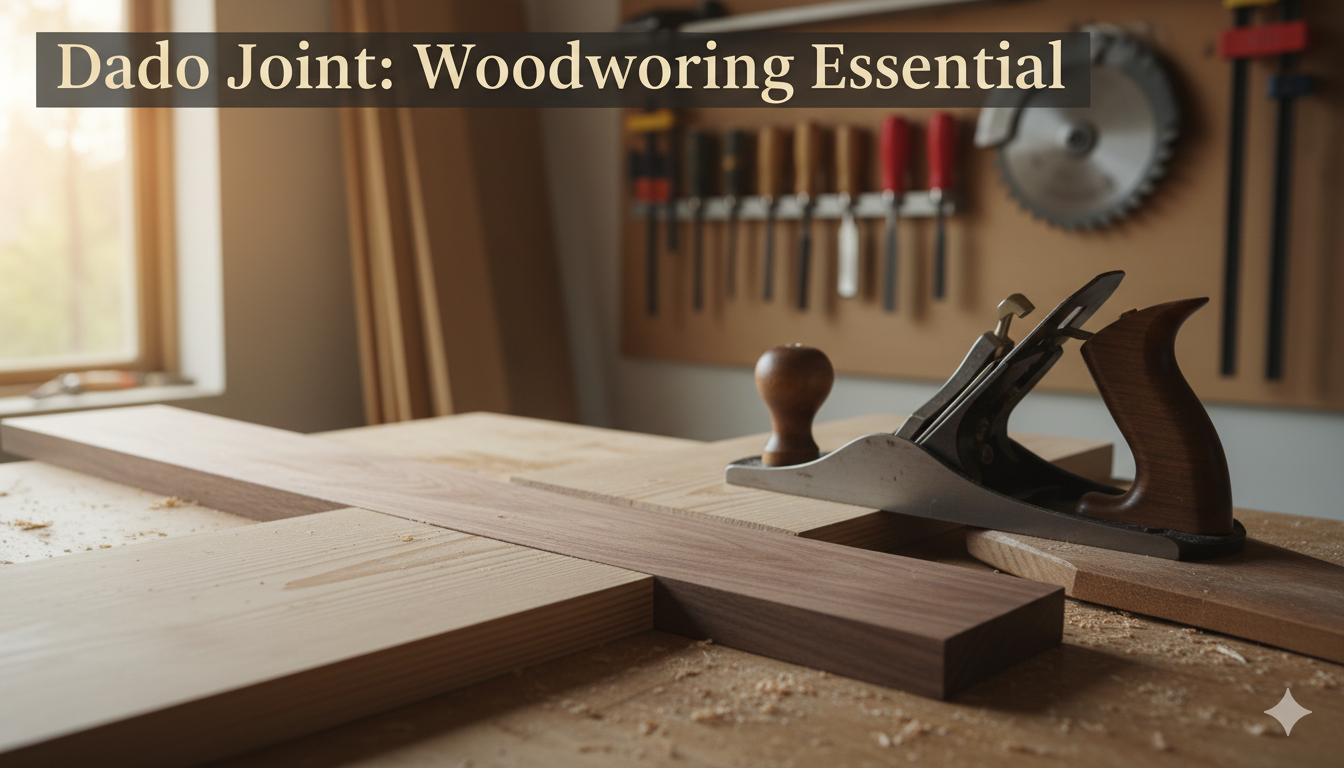
Dado à Explained Complete Guide to Dado Cuts, Blades, and Joints in Woodworking
If you’ve ever worked with wood, you might have heard the term Dado à. It’s a simple but crucial concept in woodworking. A dado is basically a groove or slot cut into a piece of wood to hold another piece snugly. Think of it like a small shelf or channel that fits perfectly with another board.
Understanding what is a dado can make your projects cleaner and more durable. Woodworkers use dado cuts to create shelves, cabinets, and furniture joints. But what makes a dado special is the tools used, such as the dado blade, which makes cutting precise grooves easy and fast. In this guide, we’ll explore everything you need to know, from basic definitions to step-by-step instructions, including how to cut a dado and different ways to use it in woodworking.
What Is a Dado?
A dado is a groove cut into a piece of wood across the grain. It is wider than a normal cut and is often used to join two pieces of wood. For example, if you’re building a bookshelf, the shelf will fit into a dado cut in the sides.
People often ask, “whats a dado?” It’s a simple but versatile feature in woodworking. Dado cuts help add strength and alignment to furniture and cabinets, ensuring your boards fit together perfectly.
What Is a Dado Blade?
A dado blade is a specialized circular saw blade designed to cut grooves in wood. Unlike a standard blade, it can cut wider slots in one pass. Some dado blades are single stacked, while others are dado stacks, allowing you to adjust the width of the groove.
If you’re wondering what does a dado blade do, it cuts clean grooves without tearing the wood. You can also use it for making strong joints like dado joints.
Understanding the Dado Cut
A dado cut is the groove itself made by the dado blade. It’s usually rectangular and fits another board inside. Woodworkers use dado cuts for shelves, cabinet panels, and even frames.
Learning how to make a dado cut ensures your projects look professional. A clean cut also strengthens joints and prevents wobbly furniture.
What Is a Dado Joint?
A dado joint is when one board fits into a dado cut in another board. This joint is extremely strong and commonly used in cabinets, drawers, and bookshelves.
People often ask, “what is a dado joint?” In simple words, it’s a slot-and-tab connection that holds boards together. Using dado joints makes furniture more durable and easier to assemble.
How to Cut a Dado
There are multiple ways how to cut a dado. One method is using a table saw with a dado blade. Another method is using a router with a straight bit. Always measure carefully, mark your groove, and use a guide for a straight cut.
If you’re wondering how to cut a dado with a router, clamp a straightedge guide, set the depth, and make slow passes until you reach the desired depth.
What Is a Dado Stack?
A dado stack is a combination of blades and chippers used on a table saw. It allows you to change the width of the dado cut quickly. Some woodworkers prefer this over a single blade for flexibility.
Knowing what is a dado stack helps you choose the right tool for your project, whether you’re making shelves or cabinetry.
How to Use a Dado Blade
Using a dado blade is easy but requires safety. Set your blade height, adjust the width, and always use a push stick. Start with a scrap piece to test the cut before moving to your project.
Many beginners ask, “how to use a dado blade?” The key is steady hands, correct depth, and proper alignment for a perfect groove.
How Does a Dado Blade Work?
A dado blade works by spinning multiple cutting teeth at high speed, removing wood to create a groove. You can adjust the stack to make the groove wider or narrower.
If you’re curious how does a dado blade work, imagine it like a sandwich of blades and spacers cutting out the wood. It’s faster and cleaner than making multiple passes with a single blade.
What Is a Dado in Woodworking?
In simple terms, a dado in woodworking is a channel cut into the wood to hold another piece. It’s a basic but essential technique for strong furniture.
A dado can be horizontal, vertical, or across the grain. Understanding what is a dado in woodworking will improve your DIY and professional projects.
What Is a Dado Rail?
A dado rail is a decorative or protective molding attached horizontally to walls. It originally comes from the woodworking term “dado,” meaning a groove, as it protects walls from chairs and furniture.
Many homeowners ask what is a dado rail in interior design. It’s both functional and aesthetic, keeping walls scratch-free while adding style.
Tips for Making Perfect Dado Cuts
- Always measure twice and cut once.
- Use scrap wood to test your dado cut.
- Keep your blade sharp and adjust depth carefully.
- Clamp boards for stability.
- Clean out dust for accurate fitting.
These small steps help achieve professional-looking dado joints and grooves.
FAQs About Dado à
1. What is a dado blade used for?
It is used to cut wide grooves in wood for joints like shelves and cabinets.
2. What is a dado blade for table saw?
It’s a set of blades installed on a table saw to cut grooves accurately.
3. How to cut a dado with a router?
Clamp a straightedge, set depth, and make multiple passes until the groove reaches the desired size.
4. What does a dado blade do?
It cuts clean grooves in wood for stronger joints and professional furniture.
5. What is a dado cut?
A rectangular slot or groove cut into wood to hold another piece securely.
6. What is a dado joint?
A joint where one board fits into a dado cut of another, commonly used in cabinets and shelves.
Conclusion
Understanding dado à is essential for anyone who loves woodworking. From what is a dado to using a dado blade or creating a dado joint, these simple grooves make furniture stronger, cleaner, and more professional. Start with scrap wood, practice your cuts, and explore both table saw and router methods.
With these skills, you can build bookshelves, cabinets, and even decorative dado rails with confidence. Try a small project today and see how dado cuts can transform your woodworking.